More to explore → on the All Stories page

Discover more articles across travel, beauty, health and perfume — all in one place.

The island of Crete

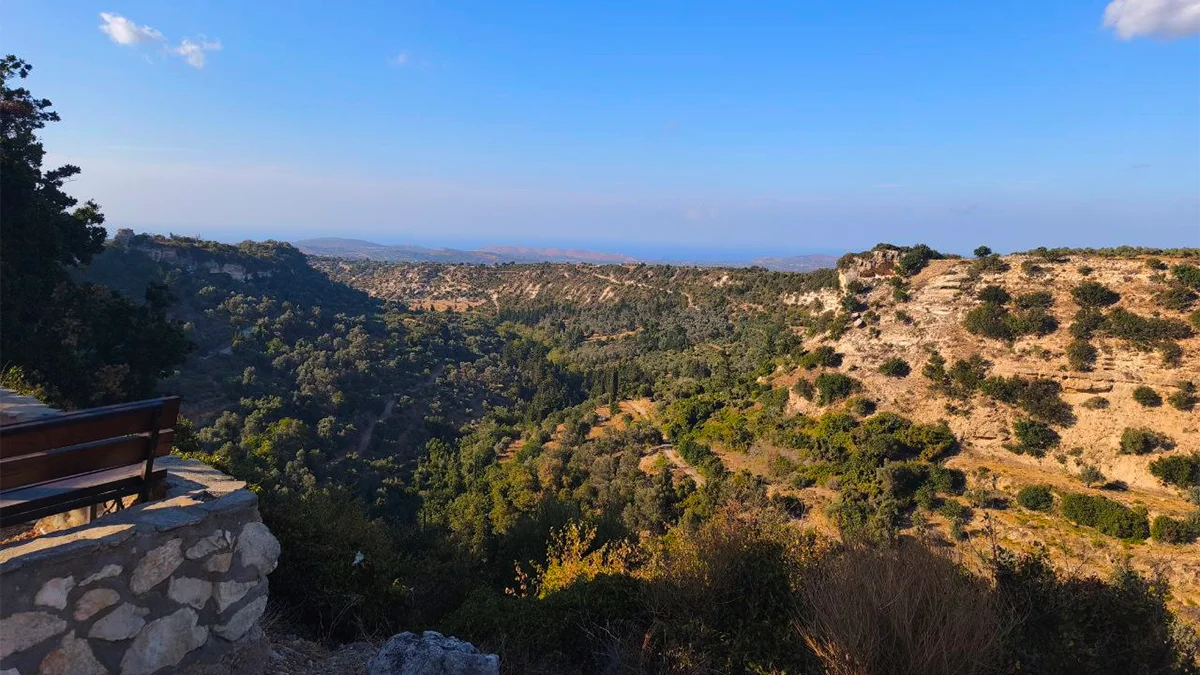
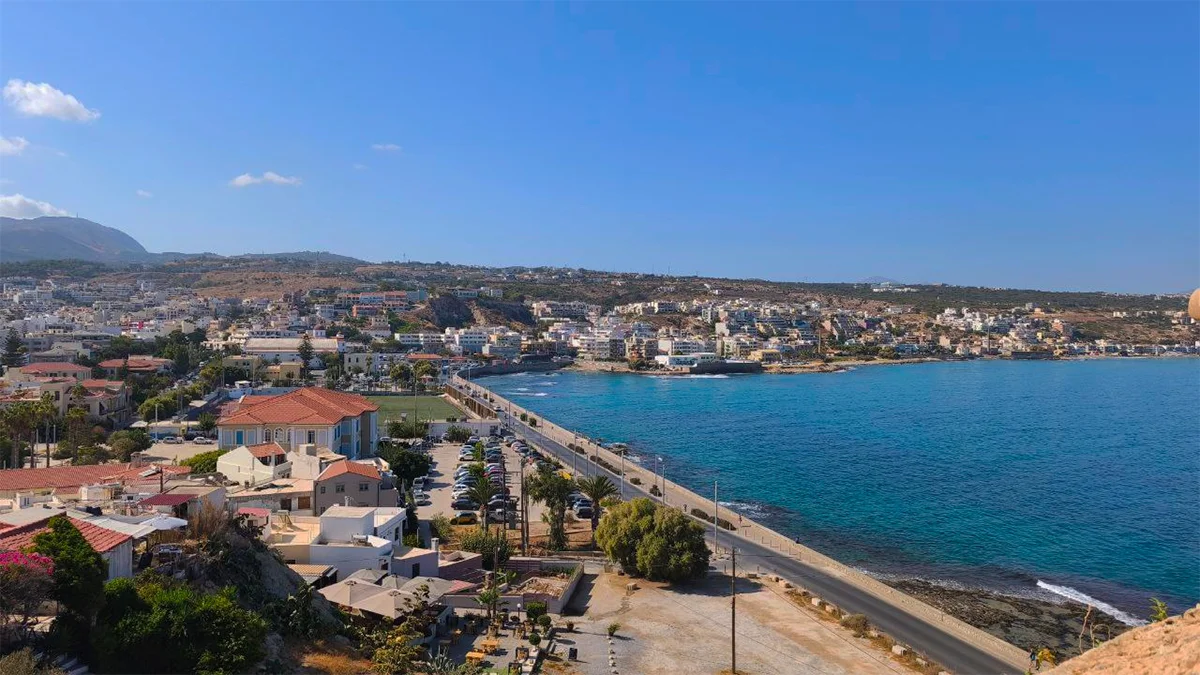
Crete is the largest Greek island with different “characters”: in the west — turquoise lagoons and mountain gorges, in the center — traces of the Minoan civilization, in the east — calm bays. If you’re visiting for the first time, focus on four regions: Chania, Rethymno, Heraklion, and Lasithi — this helps you choose a base and routes faster.

How to get there

Most flights arrive via Heraklion or Chania; ferries are convenient if you combine your trip with Athens. Plan your arrival for the morning/afternoon — it’s easier to pick up a car and reach your resort before dark.

  • Airports: Heraklion (HER), Chania (CHQ)

  • Ferries: Athens (Piraeus) → Heraklion/Chania

When to go

High season is summer, but the most comfortable months without extreme heat and crowds are May–June and September–October. Winter is mild but windy, with limited infrastructure in resort areas.

  • Beaches: May–October

  • “Golden middle”: May–June, September–October

Transport and getting around

The island is large and full of winding roads. Renting a car gives you freedom: it’s easy to combine beaches and ancient sites in one day. Without a car — intercity KTEL buses are reliable but tied to the timetable.

  • Best option: car rental (choose full insurance; avoid parking in old town centers)

  • Alternative: KTEL between cities, taxis in resort areas

Beaches: where to go

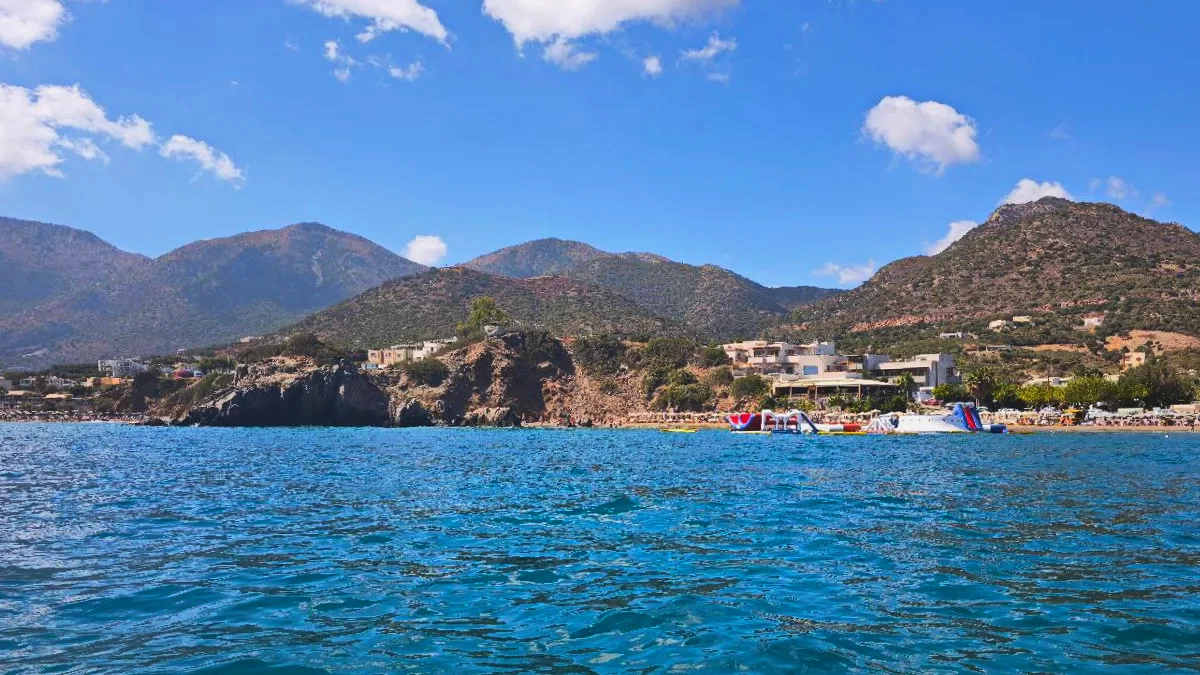
The water in Crete is clear almost everywhere, but there are postcard-worthy spots worth the trip. In summer, visit popular places in the morning — fewer people and calmer sea.

  • Elafonisi — pink sand, shallow water, great for kids

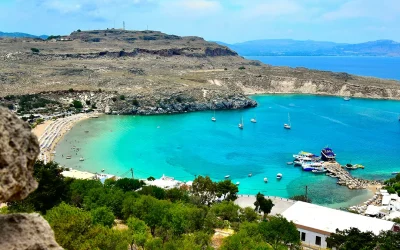
  • Balos — a turquoise lagoon; dirt-road access + walk down

  • Vai — palm beach, clear water, cafés nearby

  • Falasarna — long sandy beach and sunsets

  • Matala — caves, retro vibe, convenient infrastructure

DISCOVER GREECE

What to see beyond the sea

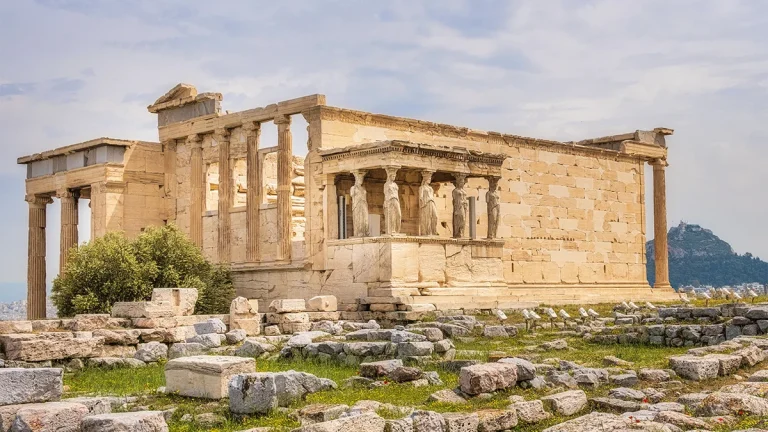
Archaeology and nature are Crete’s two strongest sides. Combine “morning — sights, daytime — sea” for a comfortable rhythm.

  • Knossos Palace (Heraklion) — Minoan civilization

  • Heraklion Archaeological Museum — masterpieces of Minoan culture in one place

  • Samaria Gorge — ~16 km trek, proper shoes and water required

  • Old towns of Chania and Rethymno — Venetian streets and waterfronts

  • Lasithi Plateau, Spinalonga, Arkadi Monastery — calm daytime trips

What to try from local food

Cretan cuisine is simple and honest: olive oil, fresh vegetables, cheese, and fish. In small tavernas the food is often better than in the “showcase” places on the promenade.

  • Dakos, xinomizithra/graviera, gamopilafo

  • Fresh fish and seafood based on the daily catch

  • Pastries: kalitsounia, kremita

  • Local wine and raki (tsikoudia)

Where to stay

The north coast has more hotels and connections; the south is quieter with smaller waves. For a 5–7 day trip, it’s better to pick 1–2 bases and take day trips.

  • North: Heraklion, Hersonissos, Rethymno, Chania — convenient for logistics

  • South: Plakias, Loutro, Ierapetra — more secluded and calm

Good to know

Small details save time and nerves. The sun is strong, and parking in historic centers is limited.

  • Currency: euro; sockets C/F, 230 V

  • Drinking water: check locally; in heat — bottled

  • Sun protection, hat, water — must

  • Wind meltemi in the north: waves and cool breeze during the day

  • Parking: leave the car at the edge of old quarters and walk in

3-day itinerary (skeleton, easy to adapt)

Need a quick plan? Here’s a basic framework — swap beaches/cities as you prefer.

  1. Chania (old town) → Balos/Falasarna (noon/sunset)

  2. Samaria Gorge or Rethymno + Arkadi Monastery

  3. Knossos + Archaeological Museum (Heraklion) → evening in Agios Nikolaos

Want to showcase your brand?

We write about lifestyle without loud slogans: design and interiors, travel, mindful beauty and wellness, flavour without compromise — healthy nutrition and simple, beautiful recipes.
If your brand is aligned with these themes, let’s create a native, non-standard feature together: a review, an interview, a curated selection or a special project — something that will get you noticed.

Ready to collaborate — contact us!

Contact us via the contact form — we will reply as soon as possible.