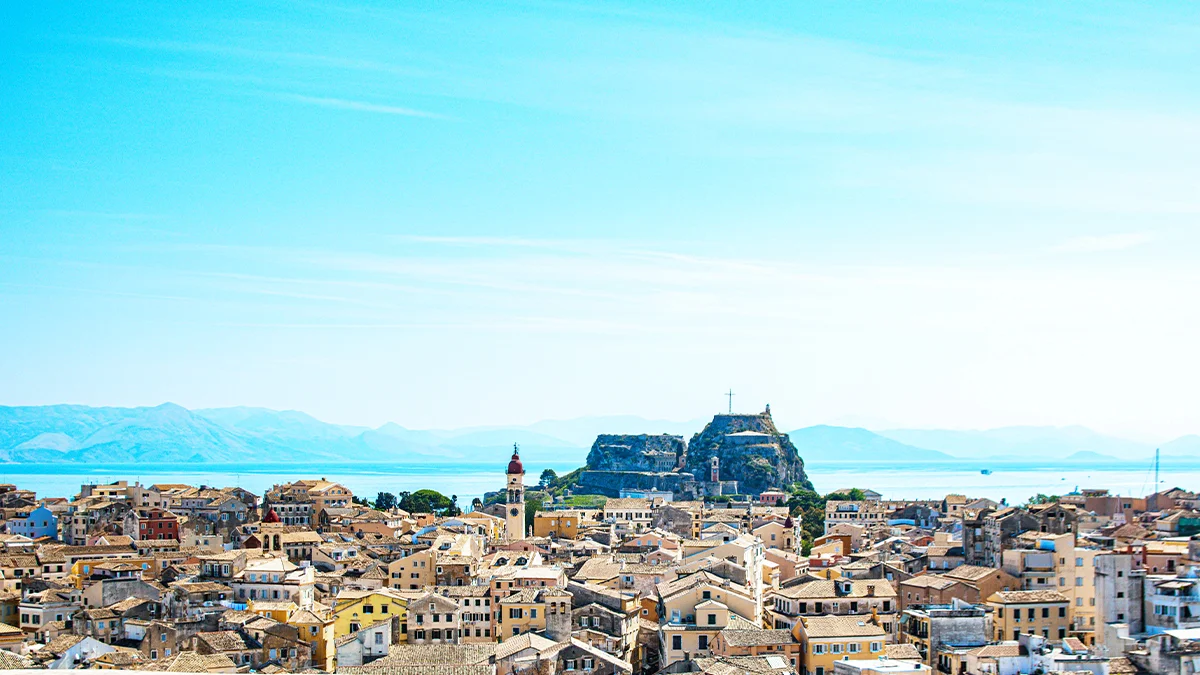
Corfu (Kerkyra) is a green, well-kept Ionian island with a Venetian character: cypresses, olive groves, vivid bays, and an Old Town reminiscent of Liguria. The climate is comfortable, the sea is mild, and the infrastructure is well developed — a good choice both for a first trip to Greece and for family holidays.
How to get there
The island is connected by direct seasonal flights and year-round routes via Athens/Thessaloniki; ferries run from the mainland and nearby islands. It’s easier to choose a base and plan day trips to reduce driving time.
-
Corfu Airport (CFU)
-
Ferries from Igoumenitsa (mainland) and routes around the Ionian Islands
When to go
The beach season is long, with warm, calm water. In spring and autumn, the island is especially green and less crowded.
-
Best balance of weather and calm: May–June, September–October
-
Peak season: July–August (hotter and more expensive)
Where to stay
Areas differ by coastline and atmosphere. Decide on the format: seclusion, family beaches, or city walks.
-
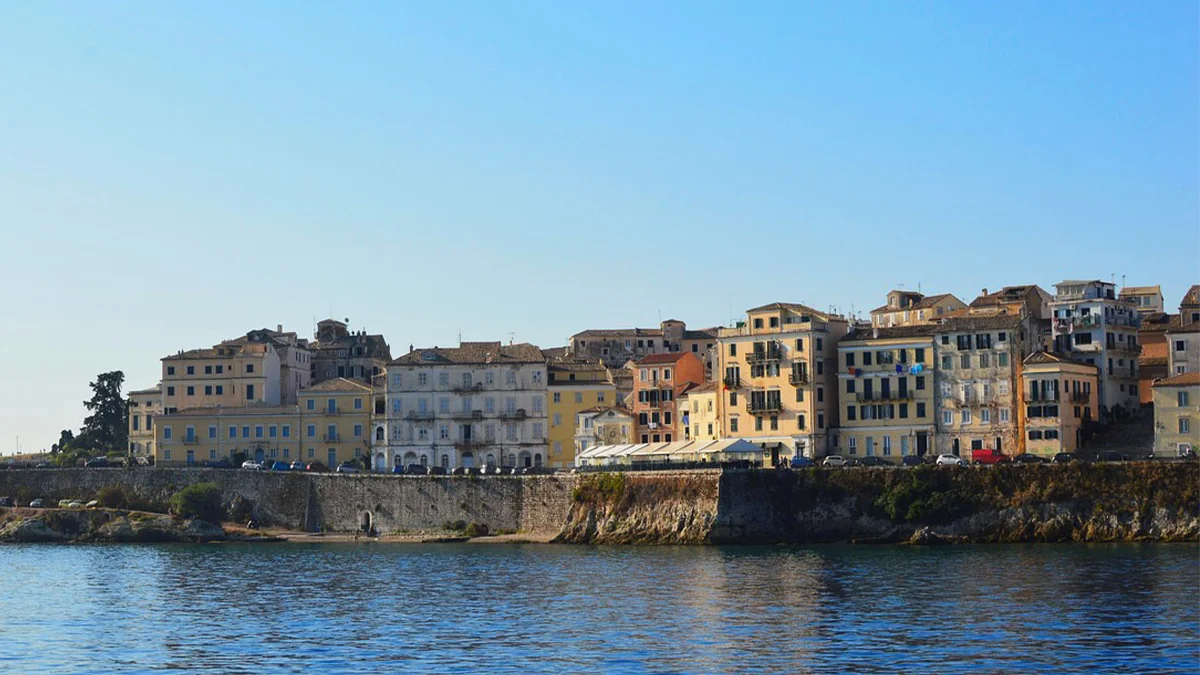
Corfu Town (Kerkyra): Old Town, fortresses, restaurants — a convenient base without a beach focus
-
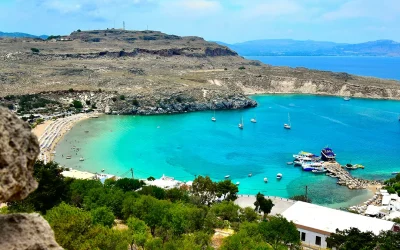
Paleokastritsa (west): turquoise bays and cliffs, beautiful but with rugged coastline
-
Kanoni/Perama (south of town): close to the capital and airport, view of Vlacherna Monastery
-
Sidari/Canal d’Amour (north): sandy cliffs and photo spots
-
Kassiopi/Nissaki (northeast): quiet bays, mainland views, excellent tavernas
-
Glyfada/Agios Gordios (west): wide sandy beaches and sunsets
How to get around
Roads are narrow and winding, but the views make up for it. A car gives the freedom to switch beaches during the day; buses connect major resorts with the town.
-
Better with a car for the entire stay (park outside the Old Town)
-
Buses (green/blue lines) between the town and resorts
-
Boats for beach-hopping along the rocky coastline
Beaches: what to choose
The east has mostly pebble coves and calm water; the west offers wide sandy beaches and waves. Come in the morning for photos, and swim when the sun is higher.
-
Paleokastritsa: a chain of emerald-water coves (renting a boat is a plus)
-
Glyfada / Agios Gordios: soft sand, sunsets, good infrastructure
-
Sidari and Canal d’Amour: sandy cliffs, shallow sea, photo spots
-
Barbati / Nissaki: clear water, pebbles, mainland views
-
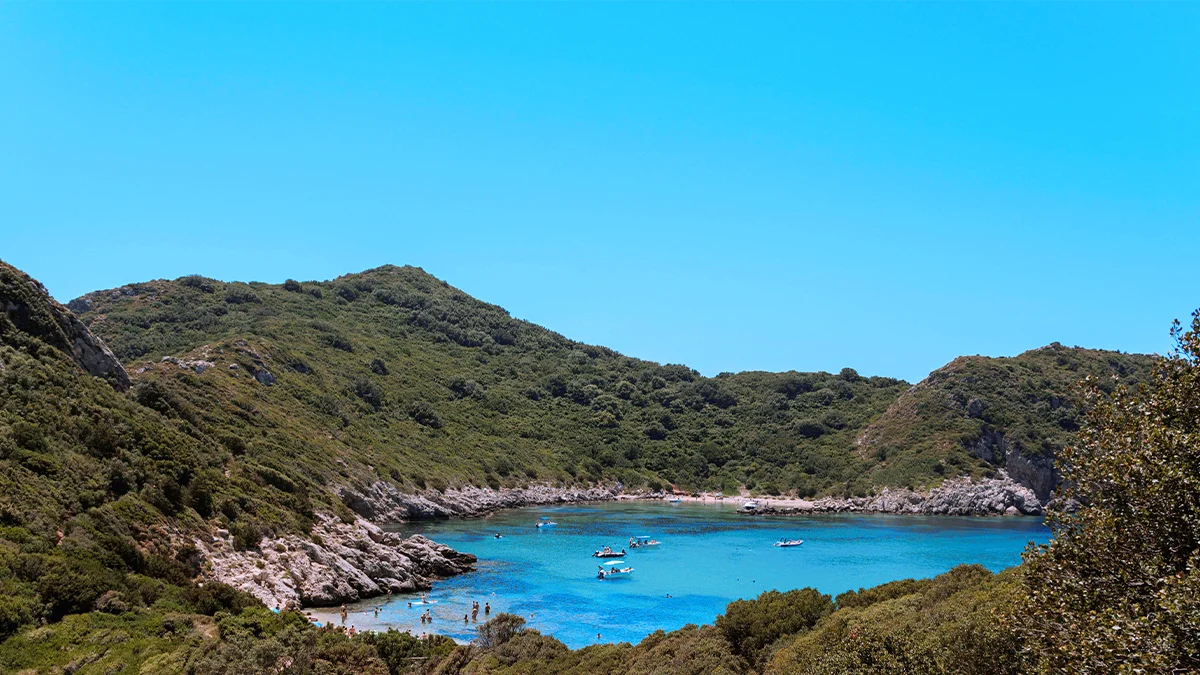
Mirami / Porto Timoni (double bay): 15–25 min hike, bring water and proper shoes
What to see beyond the beaches
Corfu is interesting for its architecture and viewpoints. It’s convenient to combine “morning — town/viewpoints, daytime — sea.”
-
Corfu Old Town (UNESCO): fortresses, Liston, narrow streets
-
Pantokrator (highest point): Ionian panoramas
-
Achillion: Empress Elisabeth’s palace, gardens, and views
-
Kanoni — Vlacherna — Mouse Island: the classic postcard view
-
Kassiopi: fortress, port, waterfront tavernas
Food and what to try
Corfu has its own culinary features with Venetian influences. In small villages, food is often tastier and calmer than on tourist waterfronts.
-
Pastitsada (pasta with tomato meat ragout), sofrito, bourdeto (spicy fish)
-
Local cheeses, olive oil, fresh fish
-
Kumquat liqueur (local symbol), sweets and ice cream made with kumquat
Practical tips
A few simple habits noticeably improve the trip.
-
Sun protection (SPF, hat), water on the way
-
Shoes suitable for hikes and pebble beaches
-
Parking: leave your car outside the Old Town and explore on foot
-
Cash is handy in small shops and with boat owners
LATEST STORIES
Want to showcase your brand?
We write about lifestyle without loud slogans: design and interiors, travel, mindful beauty and wellness, flavour without compromise — healthy nutrition and simple, beautiful recipes.
If your brand is aligned with these themes, let’s create a native, non-standard feature together: a review, an interview, a curated selection or a special project — something that will get you noticed.
Ready to collaborate — contact us!
Contact us via the contact form — we will reply as soon as possible.