1. Neglecting SPF
This is the main mistake that most often damages the skin.
Without daily sun protection, pigmentation, uneven tone, dryness, and sensitivity appear. No “glow-boosting” creams will help if the skin is exposed to UV every single day.
How to avoid it: use SPF 30–50 every day — even in winter and on cloudy days.
2. Harsh cleansing and “squeaky clean” products
Many people think that the stronger the “clean” feeling, the better. In reality, “squeaky clean” skin already means a damaged barrier. This leads to dryness, irritation, breakouts, and the feeling that “nothing works”.
How to avoid it: choose gentle gels or cream-gel textures without harsh surfactants and alcohol.
3. Frequent use of peels and scrubs
Peels and scrubs really do make the skin smoother, but they are also the products people most often overuse. When exfoliating products are used too often — every day or every other day — the skin becomes thin, irritated, starts to redden, and tolerates even basic care worse. Instead of “freshness”, you get sensitivity and small breakouts.
How to avoid it: do peels no more than once every 1–2 weeks, choose gentler formulas, and give the skin time to recover between treatments.
4. Too many active products at once
When your routine suddenly includes everything at once — acids, retinol, vitamin C, a “glow serum”, plus an extra peel on top — the skin simply doesn’t have time to recover. Redness, flaking, burning, and stronger reactions to the sun appear. It often looks like “worsening”, but in fact it’s just overload from skincare.
How to avoid it: introduce active products gradually, one at a time. Don’t combine several strong products in one evening and give your skin rest days between actives.
5. Washing with harsh makeup removers
Some cleansing products foam heavily or contain a lot of surfactants. They overdry the skin, create a tight feeling, increase sensitivity, and over time can disrupt the protective barrier. A common mistake is not rinsing off micellar water: its cleansing components must also be removed from the skin.
How to avoid it: choose gentle products without the “squeaky clean” effect, use double cleansing for makeup (oil/micellar water + gel), and always rinse micellar water with water or a cleansing gel.
EXPLORE SKINCARE
6. Replacing cream with oil
Many people think oil is a full substitute for a moisturizer. But oil does not hydrate — it only locks in existing moisture. If the skin is already dehydrated, oil will only highlight the dryness.
How to avoid it: hydrate first (toner/serum/cream), and only then — if needed — apply 1–2 drops of oil.
7. Ignoring toning
After cleansing, the skin loses some moisture and temporarily shifts from its natural pH balance. If you go straight to cream, it applies worse, absorbs more slowly, and works less effectively. Skipping toner is a common reason for tightness, dryness, and the feeling that hydration “doesn’t work”. A gentle toner helps the skin return to normal faster, makes the routine more comfortable, and improves absorption of the next steps.
How to avoid it: apply toner or essence immediately after cleansing, while the skin is still slightly damp.
8. Using the wrong products
Choosing products “because a blogger recommended it” or simply “because it’s popular” often makes the routine ineffective. For example, oily skin doesn’t always need to avoid oils, and dry skin doesn’t always need heavy textures.
How to avoid it: choose products based on your skin type and current concerns, not trends.
9. Touching your face too often
We touch our faces far more often than we notice: adjusting hair, resting the cheek on our hand, scratching the nose. Hands carry bacteria and dirt that easily transfer to the skin and provoke breakouts.
How to avoid it: avoid touching your face and don’t rest your chin or cheeks on your hands.
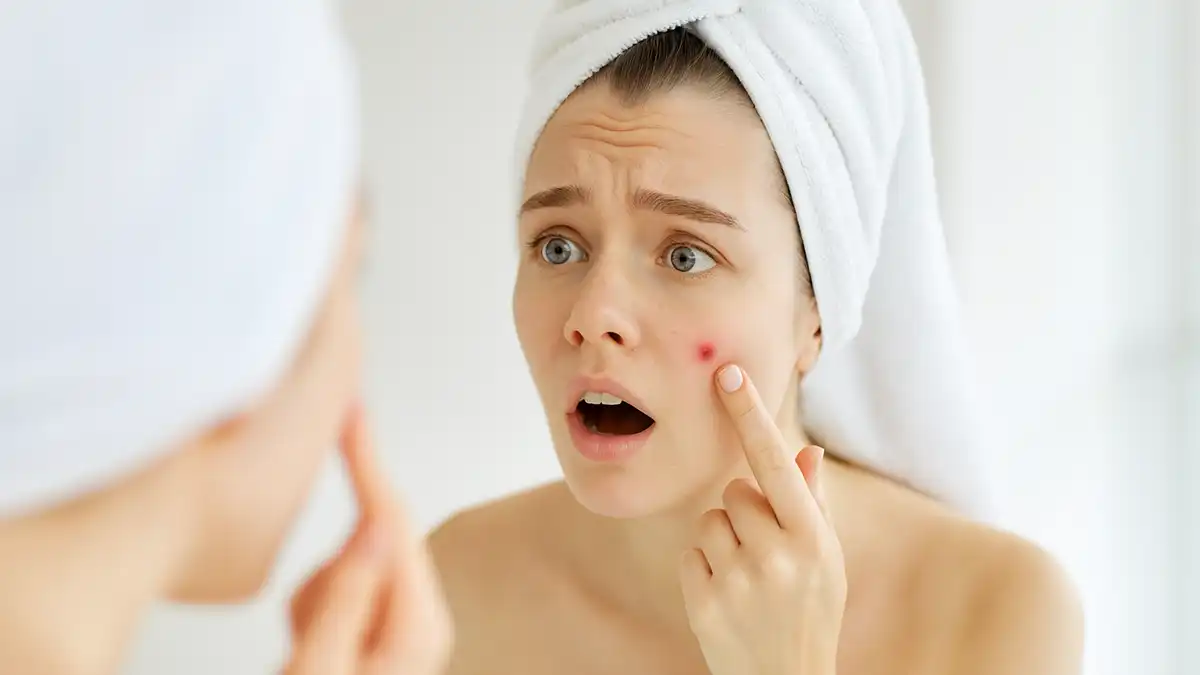
10. Squeezing pimples at home
Picking at pimples almost always ends worse than it started: red marks, lingering spots, prolonged inflammation, and the feeling that the skin is “getting worse”. When we squeeze inflammation with our fingers, the skin gets injured, bacteria go deeper, and healing slows down. Sometimes one unsuccessful squeeze leaves marks for weeks or even months.
How to avoid it: don’t touch or squeeze inflammation, don’t “dig” into the skin. Use spot treatments that reduce redness and help pimples heal more calmly.
Conclusion
Skincare becomes effective when it’s simple: gentle cleansing, hydration, SPF, and careful introduction of actives. Most issues improve once you remove overload and respect the skin barrier.
MORE FROM BEAUTY
Want to showcase your brand?
We write about lifestyle without loud slogans: design and interiors, travel, mindful beauty and wellness, flavour without compromise — healthy nutrition and simple, beautiful recipes.
If your brand is aligned with these themes, let’s create a native, non-standard feature together: a review, an interview, a curated selection or a special project — something that will get you noticed.
Ready to collaborate — contact us!
Contact us via the contact form — we will reply as soon as possible.