Bulgaria combines the Black Sea, mountain ranges (Rila, Pirin, Rhodope), ancient towns, and wine regions. The country is compact, logistics are straightforward, and prices are moderate — suitable for a beach holiday, short city trips, or trekking.
How to get there
It’s most convenient to fly into Sofia (the capital) or to the coast — Varna/Burgas. Within the country, trains and intercity buses operate; for the mountains and wine valleys, renting a car is more practical.
Air: Sofia, Varna, Burgas
Ground transport: trains + buses between major cities
Car: flexible routes, access to mountains and small villages
When to go
Seasons vary greatly by region.
Sea: June–September (peak — July–August)
Cities/excursions: April–June and September–October (mild weather, fewer people)
Mountains/trekking: June–September; skiing — December–March (Bansko, Borovets)
Where to stay
Your base depends on your plans: sea, cities, mountains, or wineries.
Sofia: museums, restaurants, day trips to Rila Monastery and Vitosha
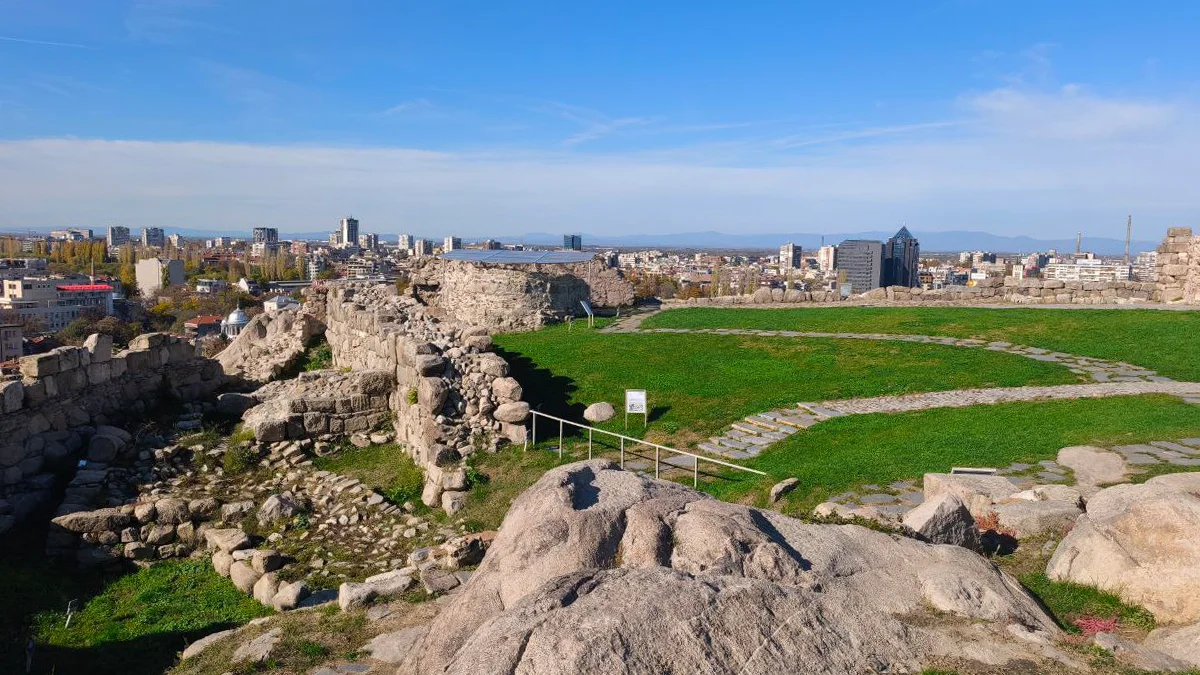
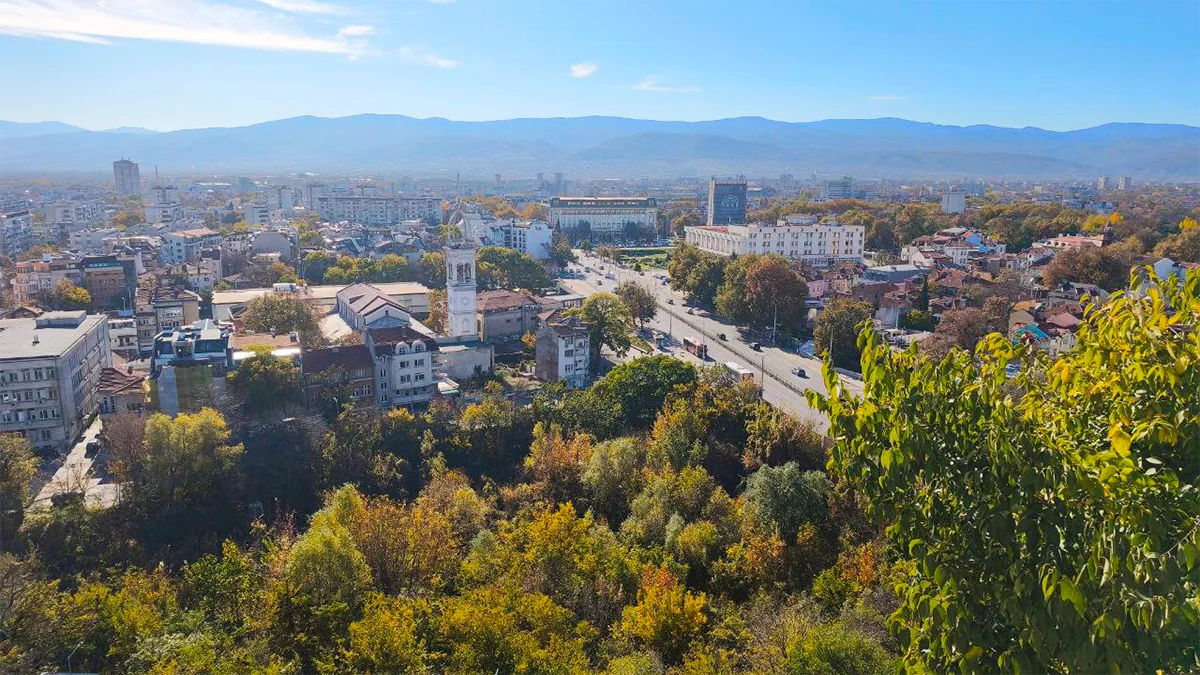
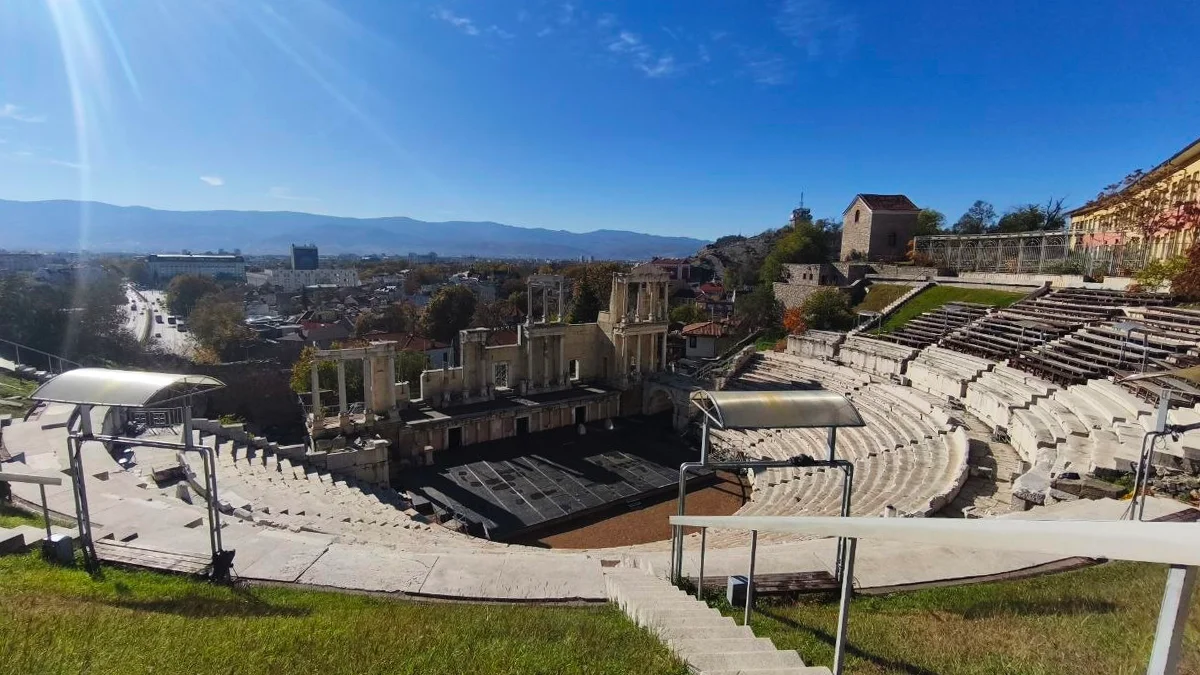
Plovdiv: old town, amphitheatre, creative districts, base for the Rhodopes
Veliko Tarnovo: Tsarevets Fortress, medieval atmosphere
Sea (North): Varna, Golden Sands, coastline up to Cape Kaliakra
Sea (South): Burgas, Sozopol, Nessebar, Sinemorets (quieter, closer to nature)
How to get around
Trains/buses work well between major cities; for beach-hopping and mountain roads, a rental car is best. In historic centres, it’s easier to leave the car on the outskirts and walk.
Across the country: train/bus
Flexibility & hidden spots: car
In cities: on foot + taxi/ride-sharing
Beaches (quick guide)
The Black Sea has gentle water, sandy beaches, and a long season. The north has more open areas and cliffs; the south has cozy bays and ancient towns.
North: Albena (family-friendly), Bolata/Kaliakra (views), Shabla (wide spaces)
Around Varna: St. Constantine & Helena, Golden Sands (infrastructure)
South: Sozopol (atmosphere), Nessebar (UNESCO heritage), Sinemorets/Silistar (semi-wild nature)