More to explore → on the All Stories page

Discover more articles across travel, beauty, health and perfume — all in one place.

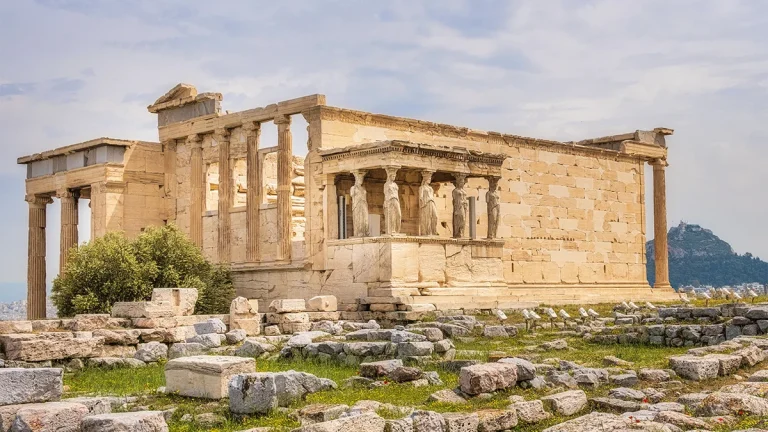
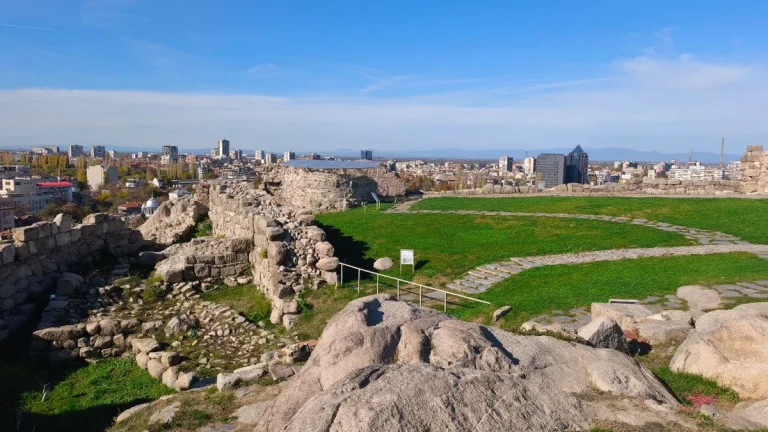
Veliki Preslav is an archaeological reserve and one of the capitals of early medieval Bulgaria (9th–10th centuries). Here you can see the ruins of a fortress, palaces, and monasteries, the famous Round (Golden) Church, and learn about the Preslav ceramic school and the cultural flourishing under Tsar Simeon I.

Where it is and how to get there

The town is in Northeastern Bulgaria, close to Shumen. It’s convenient to come by car (the route “Sofia → Veliko Tarnovo → Shumen → Preslav”) or take a day trip from Varna/Shumen. Parking near the museum and at the reserve entrances is close by.

When to go

The best time is April–June and September–October: mild weather, greenery, and comfortable conditions for exploring the excavations. In summer it’s hotter with less shade, and in winter some paths may get muddy after rain.

What to see (core route)

Below are the key sites that give a complete picture of Preslav as a capital — perfect for a slow 2–3 hour walk.

  • Preslav Archaeological Museum — a collection of ceramics, inscriptions, and jewelry; it’s best to start your visit here.

  • Fortress walls and gates — a sense of the capital’s scale: the outer and inner city.

  • Palace complex — building foundations, palace courtyards, remains of columns.

  • Round (Golden) Church — Preslav’s hallmark: circular layout, marble details, ornaments.

  • Monastic complexes and workshops — traces of scriptoria and the ceramic school (tiles, icons, ornament).

DISCOVER BULGARIA

Short context (why it matters)

In the late 9th and early 10th centuries, Preslav was the cultural capital of the First Bulgarian Empire: scribes, translators, and artisans worked here, court culture was taking shape, and the unique Preslav white ceramics tradition developed. The monuments and finds clearly show what an early medieval Bulgarian city of European scale looked like.

Half-day route

The best sequence to explore the story without rushing:

  1. Archaeological Museum → 2) Fortress gate and inner city → 3) Palace sector → 4) Round Church → 5) Monastic areas (depending on time and interest).

Useful tips

  • Shoes with good grip: dirt paths and loose stone.

  • Water and a hat in summer: there’s little shade.

  • Few shaded cafés on-site — plan lunch in Shumen/on the way.

  • There are signs, but they’re brief — the museum helps with context.

What’s nearby (easy to combine)

If you’re traveling by car, within 30–60 minutes you’ll find a series of “must-see” sites:

  • Pliska — the first capital (earthen rampart, palace ruins, the Great Basilica).

  • Madara Rider (UNESCO) — a rock relief, a symbol of Bulgaria.

  • Shumen — fortress on the plateau and the “Shumen Plateau” park with views.

  • Veliko Tarnovo — if you’re planning a longer historical route through Bulgaria.

Want to showcase your brand?

We write about lifestyle without loud slogans: design and interiors, travel, mindful beauty and wellness, flavour without compromise — healthy nutrition and simple, beautiful recipes.
If your brand is aligned with these themes, let’s create a native, non-standard feature together: a review, an interview, a curated selection or a special project — something that will get you noticed.

Ready to collaborate — contact us!

Contact us via the contact form — we will reply as soon as possible.