In today’s fast-paced world many people barely move: working at a computer, commuting by car, ordering food delivery, relaxing on the couch with a phone or a series. As a result, the body spends most of the day simply “sitting,” and physical activity is reduced to walking from the desk to the kitchen.
Below is a simple explanation of why this happens, what it leads to, and how to add movement even if the gym is not your thing right now.
Why we move so little in the 21st century
-
Screen-based work. Most tasks are done sitting — laptop, phone, online meetings.
-
Urban comfort. Elevators, cars, taxis, delivery — we hardly walk anywhere.
-
Information fatigue. By the end of the day we want to “turn off the brain,” not force ourselves to work out.
-
The idea that “sports = gym and a one-hour workout.” If there is no time/energy for a full session, many people end up doing nothing at all.
As a result, movement stops being a natural part of daily life and turns into “a project you don’t have the energy for right now.”
What constant “sitting mode” leads to
No medical diagnoses — just about the body in everyday life:
-
Stiffness and discomfort. The back, neck, shoulders, and lower back react to long hours of sitting.
-
More fatigue by evening. With low activity, the body doesn’t get a chance to “release” static tension.
-
Reduced overall tone. Less movement means less energy for everyday tasks and more desire to “do nothing.”
-
Sleep quality. Light physical activity during the day helps you fall asleep faster and sleep deeper; its absence often makes sleep more shallow.
This is not about “urgently going to the gym,” but about the body needing at least a bit of regular movement to feel alive and put together.
DISCOVER HEALTHY BODY
How to replace the gym at home
What matters is not where you move, but that it happens every day. Here are a few simple formats you can build into your life without a major overhaul:
1. Mini warm-ups throughout the day
3–5 minutes every couple of hours:
-
shoulder circles;
-
gentle head tilts;
-
stretching up and to the right/left;
-
a few squats or rocking from heel to toe.
This is better than one “heroic” session once a week.
2. Walking as a basic form of exercise
-
Replace short trips with walks whenever possible.
-
Do a “lap around the house” or up and down the stairs while talking on the phone.
-
Get off one stop earlier and walk the rest of the way.
3. 10–15 minute home routines
You don’t have to do complicated workouts:
-
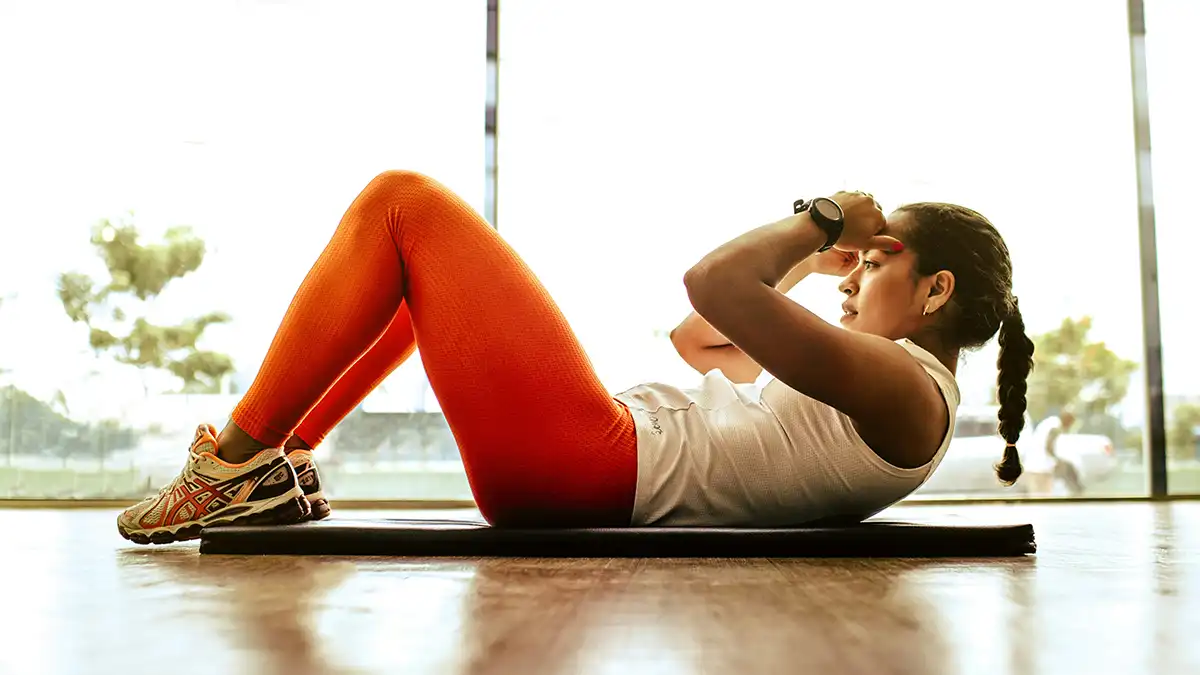
simple bodyweight exercises: squats, lunges to a chair, plank;
-
light stretching following a video/timer;
-
a short morning or evening routine “to wake up the body”.
The main thing is consistency, not perfect form.
4. Everyday chores as movement
You can get part of your activity simply from household tasks:
-
cleaning, mopping floors, sorting things;
-
rearranging furniture, caring for plants;
-
cooking, when you move more instead of sitting.
This does not completely replace workouts, but it gives the body a chance not to “stiffen up”.
Bottom line: small steps matter more than a perfect plan
In today’s world, a sedentary lifestyle is almost the norm, but it is not a sentence. You don’t have to immediately buy a gym membership or build the perfect workout routine. It is enough to:
-
walk a little more,
-
do short warm-ups throughout the day,
-
add 10–15 minutes of simple movement at home.
The body perceives this as a signal of care and gradually responds with greater lightness and endurance.
MORE FROM HEALTH
Want to showcase your brand?
We write about lifestyle without loud slogans: design and interiors, travel, mindful beauty and wellness, flavour without compromise — healthy nutrition and simple, beautiful recipes.
If your brand is aligned with these themes, let’s create a native, non-standard feature together: a review, an interview, a curated selection or a special project — something that will get you noticed.
Ready to collaborate — contact us!
Contact us via the contact form — we will reply as soon as possible.